
Dr. Pinaki Chakraborty received his B.Tech. from Guru Gobind Singh Indraprastha University and his M.Tech. and Ph.D. from Jawaharlal Nehru University. His area of research includes educational software and human-computer interaction. Additionally, he teaches courses in computer architecture, operating systems and compiler construction. He is appreciated by his students for his clear, engaging and effective teaching style.
He is the author of the book An Introduction to Computer Science, which has been well received by students and academics. He has published more than 90 research papers in reputed journals. He has presented his research at conferences in India and abroad. He and his Ph.D. students have received best paper awards in conferences on nine occasions. He has been granted three patents by the Government of India.
Dr. Chakraborty has supervised the theses of four Ph.D. scholars and 13 M.Tech. students. He is a proactive research supervisor. He has also advised 186 B.Tech. students in their major projects. He serves on the editorial boards of four international journals. He has active research collaborations with scientists from Italy, Spain and Serbia. His research activities have been supported by DBT, ANRF, INSA and NSUT-EFO through various schemes. He was elected a Fellow of the Institution of Electronics and Telecommunication Engineers.
Please see his Google Scholar profile for a complete list of his publications and his LinkedIn profile for information about his current activities.
- Book
-
Chakraborty, P. 2026. An Introduction to Computer Science. S Chand.
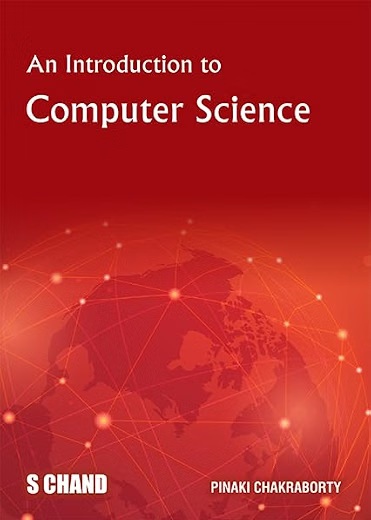
The book provides a comprehensive overview of the undergraduate computer science curriculum and covers the major subdomains and fundamental concepts of the discipline in a concise and accessible manner.
The book has been written with two primary objectives.
1. To help first-year undergraduate students, both from computer science and other engineering disciplines, develop a broad understanding of the field of computer science and its various areas of study.
2. To assist senior undergraduate students in preparing for internship and placement interviews. To support this objective, the book includes more than 100 solved and unsolved questions for practice and self-assessment.The book is available in bookstores and at Amazon.
- Selected Publications (Educational Software)
-
- Chakraborty, P. 2007. A language for easy and efficient modeling of Turing machines. Progress in Natural Science (Taylor & Francis), 17(7): 867-871.
- Chakraborty, P., Saxena, P. C. and Katti, C. P. 2011. Fifty years of automata simulation: A review. ACM Inroads (Association for Computing Machinery), 2(4): 59-70.
- Chakraborty, P., Saxena, P. C. and Katti, C. P. 2013. A compiler-based toolkit to teach and learn finite automata. Computer Applications in Engineering Education (Wiley), 21(3): 467-474.
- Sangal, S., Kataria, S., Tyagi, T., Gupta, N., Kirtani, Y., Agrawal, S. and Chakraborty, P. 2018. PAVT: A tool to visualize and teach parsing algorithms. Education and Information Technologies (Springer), 23(6): 2737-2764.
- Chakraborty, P., Arora, U., Mukhija, N., Goel, V., Priyanka, Shikhar, S. and Takhar, R. 2019. OSAVA: An Android app for teaching a course on operating systems. Journal of Engineering Education Transformations (IUCEE), 32(4): 20-30.
- Kanika, Chakraverty, S. and Chakraborty, P. 2020. Tools and techniques for teaching computer programming: A review. Journal of Educational Technology Systems (Sage), 49(2): 170-198.
- Rodriguez-Sanchez, M. C., Chakraborty, P. and Malpica, N. 2020. International collaborative projects on digital electronic systems using open source tools. Computer Applications in Engineering Education (Wiley), 28(4): 792-802.
- Chatterjee, I. and Chakraborty, P. 2021. Use of ICT by medical educators amid COVID-19 pandemic and beyond. Journal of Educational Technology Systems (Sage), 49(3): 310-324.
- Chakraborty, P., Mittal, P., Gupta, M. S., Yadav, S. and Arora, A. 2021. Opinion of students on online education during the COVID-19 pandemic. Human Behavior and Emerging Technologies (Wiley), 3(3): 357-365.
- Jovanovic, N., Stamenkovic, S., Miljkovic, D. and Chakraborty, P. 2022. ComVIS – Interactive simulation environment for compiler learning. Computer Applications in Engineering Education (Wiley), 30(1): 275-291.
- Kanika, Chakraverty, S., Chakraborty, P., and Madan, M. 2023. Effect of different grouping arrangements on students’ achievement and experience in collaborative learning environment. Interactive Learning Environments (Taylor & Francis), 31(10): 6366-6378.
- Chakraborty, P. 2026. A guideline for engineering education research. IETE Journal of Education (Taylor & Francis), in press.
- Selected Publications (Human-Computer Interaction)
-
- Yadav, S. and Chakraborty, P. 2017. Children aged two to four are able to scribble and draw with a smartphone. Acta Paediatrica (Wiley), 106(6): 991-994.
- Yadav, S., Chakraborty, P., Mittal, P. and Arora, U. 2018. Children aged 6-24 months like to watch YouTube videos but could not learn anything from them. Acta Paediatrica (Wiley), 107(8): 1461-1466.
- Arora, A. and Chakraborty, P. 2020. Diagnosis, prevalence and effects of nomophobia - A review. Psychiatry Research (Elsevier), 288: article 112975.
- Yadav, S., Chakraborty, P., Kochar, G. and Ansari, D. 2020. Interaction of children with an augmented reality smartphone app. International Journal of Information Technology (Springer), 12(3): 711-716.
- Arora, A., Chakraborty, P., Bhatia, M. P. S. and Mittal, P. 2021. Role of emotion in addictive use of Twitter during COVID-19 imposed lockdown in India. Journal of Technology in Behavioral Science (Springer), 6(2): 370-377.
- Yadav, S., Chakraborty, P., Meena, L., Yadav, D. and Mittal, P. 2021. Children’s interaction with touchscreen devices: Performance and validity of Fitts’ law. Human Behavior and Emerging Technologies (Wiley), 3(5): 1132-1140.
- Yadav, S., Chakraborty, P. and Mittal, P. 2022. Designing drawing apps for children: Artistic and technological factors. International Journal of Human-Computer Interaction (Taylor & Francis), 38(2): 103-117.
- Arora, A., Chakraborty, P. and Bhatia, M. P. S. 2022. Intervention of wearables and smartphones in real time monitoring of sleep and behavioral health: An assessment using adaptive neuro fuzzy technique. Arabian Journal for Science and Engineering (Springer), 47(2): 1999-2024.
- Yadav, S. and Chakraborty, P. 2022. Child-smartphone interaction: Relevance and positive and negative implications. Universal Access in the Information Society (Springer), 21(3): 573-586.
- Yadav, S. and Chakraborty, P. 2022. Children’s ability to engage in video chatting: Expressiveness, recall and problem solving. Journal of Human Behavior in the Social Environment (Taylor & Francis), 32(8): 1070-1088.
- Yadav, S., Chakraborty, P. and Mittal, P. 2022. A mathematical model for suitability of smartphone apps for children. Human Behavior and Emerging Technologies (Wiley), 2022: article 3493218.
- Yadav, S. and Chakraborty, P. 2023. Ability of four to six year old children to learn novel words from digital media. Clinical Pediatrics (Sage), 62(9): 965-968.
- Chakraborty, P. and Yadav, S. 2023. Applicability of Fitts' law to interaction with touchscreen: Review of experimental results. Theoretical Issues in Ergonomics Science (Taylor & Francis), 24(5): 532-546.
- Arora, A., Chakraborty P., Bhatia, M. P. S., Kumar, A. 2024. Deep-SQA: A deep learning model using motor activity data for objective sleep quality assessment assisting digital wellness in healthcare 5.0. Expert Systems (Wiley), 41(7): article e13321.
- Sakshi, Bhatia, M. P. S. and Chakraborty, P. 2024. Detection of aberration in human behaviour using shallow neural network over smartphone inertial sensors data. Computational Intelligence (Wiley), 40(5): article e12699.
- Sharma, H., Sibal, R. and Chakraborty, P. 2026. Usability testing of instant messaging apps using measured and self-reported data. International Journal of Human-Computer Interaction (Taylor & Francis), 42(10), 7353-7371.
- Chakraborty, P. and Sibal, R. 2026. A practical approach to evaluate user interfaces using Nielsen’s heuristics with an emphasis on quantitative analysis. Proceedings of the Indian National Science Academy, in press.
- Selected Conference Publications
-
- *Chakraborty, P. 2007. An assortment of methods for mining dense substructures in a large graph. National Conference on Information Technology: Present Practices and Challenges (New Delhi). [Best Paper Award]
- *Yadav, S., Chakraborty, P., Jain, K. and Jyotirmaya. 2021. A user centered design approach to develop a mobile app for children. International Conference on Computational Performance Evaluation (Shillong). [Best Paper Award]
- *Yadav, S., Chakraborty, P. and Yadav, S. 2022. A model for teaching geometry to schoolchildren using smartphone app. International Conference on Electrical, Electronics, Information and Communication Technologies (Tiruchirappalli). [Best Paper Award]
- *Sakshi, Bhatia, M. P. S. and Chakraborty, P. 2023. Fall detection of elderly in ambient assisted smart living using CNN based ensemble approach. International Conference on E-Business Technologies (Belgrade, Serbia). [Best Paper Award]
- Rajwal, S. and *Chakraborty, P. 2023. Application of artificial intelligence in compiler design. Forty-first National Conference on Recent Trends in 5G Technology & Artificial Intelligence (Delhi). [Best Paper Award]
- *Agarwal C., Sharma, S. and Chakraborty, P. 2024. VAE MDD: VAE-based multi-modal analysis for enhanced mispronunciation recognition. Second International Conference on Artificial Intelligence and Applications (New Delhi). [Best Paper Award]
- *Chakraborty, P. and Arora, A. 2025. Assessing smartphone addiction in children. ICSSR-Supported International Conference on Navigating the Digital Landscape: Examining Children’s Experiences through the Lens of Vision Viksit Bharat & SDGs (Greater Noida). [Best Paper Award]
- *Sakshi, Bhatia, M. P. S. and Chakraborty, P. 2025. SmartAberration: An annotated multimodal smartphone IMU dataset for aberration detection. International Conference on E-Business Technologies (Belgrade, Serbia). [Best Paper Award]
- *Sharma, H., Sibal, R. and Chakraborty, P. 2025. A novel framework for usability evaluation of mass-based software. International Conference on E-Business Technologies (Belgrade, Serbia). [Best Paper Award]
- *Chakraborty, P. Jaynab, Dwivedi, R. and Sibal, R. 2026. A novel computer vision based technique for assessing cognitive load. Eighteenth International Conference on Computer Research and Development (Singapore).
*Presenter.
- Patents
-
- Chakraborty, P. Computer Keyboard with an Integrated Touchpad. Indian patent, Patent no.: 479715, Date of grant: 8 December 2023.
- Sharma, J. G., Chakrabarti, R. and Chakraborty, P. A Reusable Digestion Tube for Amino Acid Assay. Indian patent, Patent no.: 551061, Date of grant: 25 September 2024.
- Chakrabarti, R., Sharma, J. G. and Chakraborty, P. An IOT-based Indoor-Outdoor Hybrid Aquaponics System. Indian patent, Patent no.: 575281, Date of grant: 4 December 2025.
- Recorded Lectures
-
1. Four generations of interaction between human beings and computers
- Photo Gallery
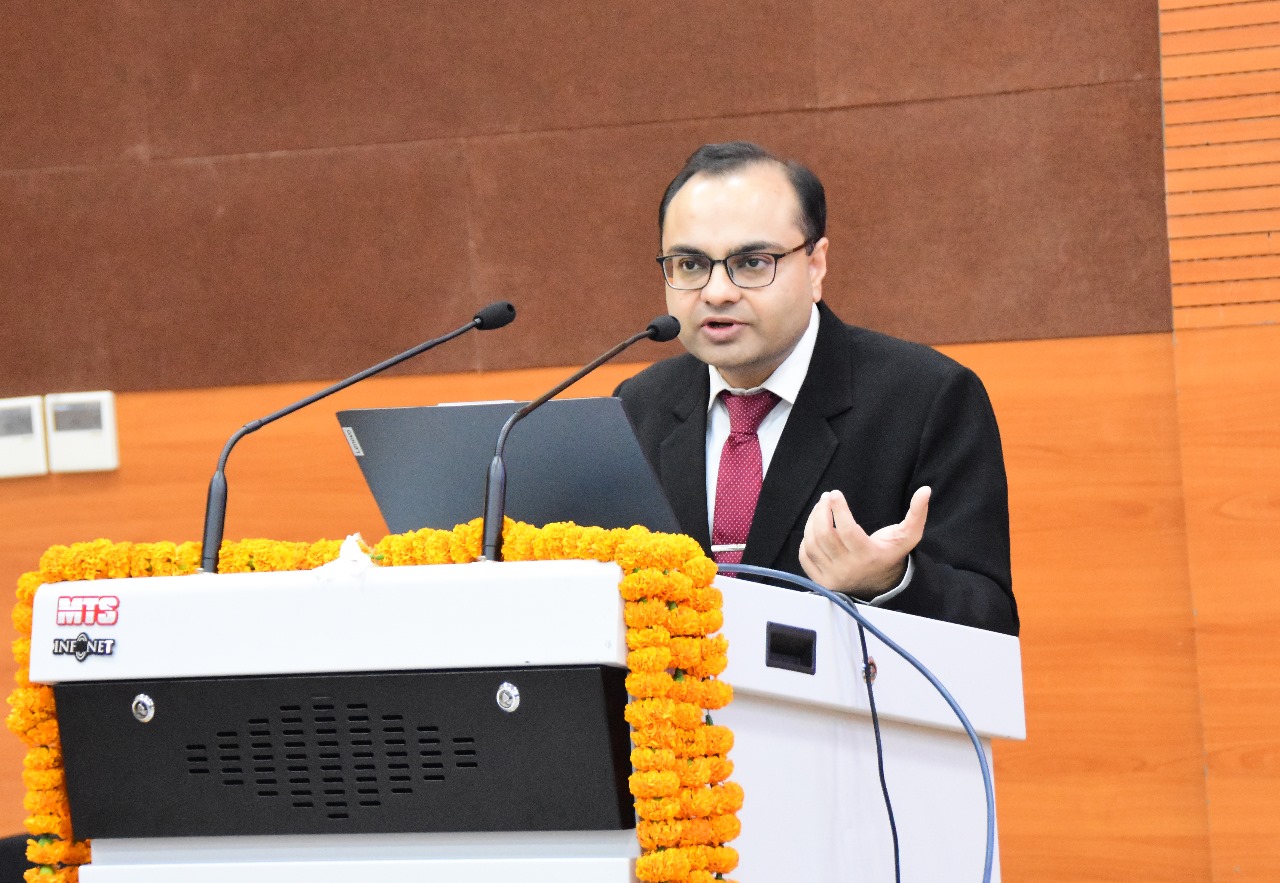
Lecturing at the university. 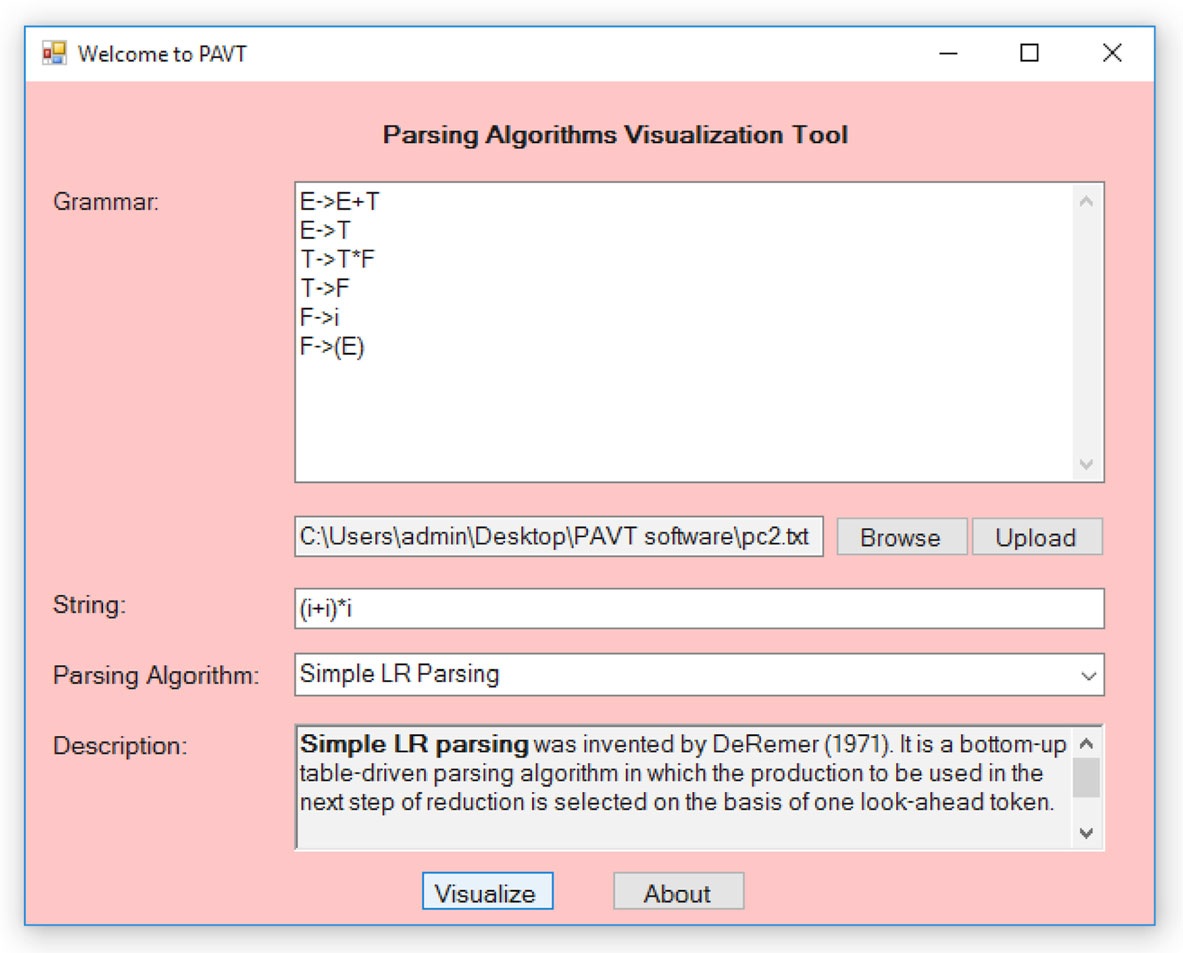
My software tool for teaching parsing algorithms. 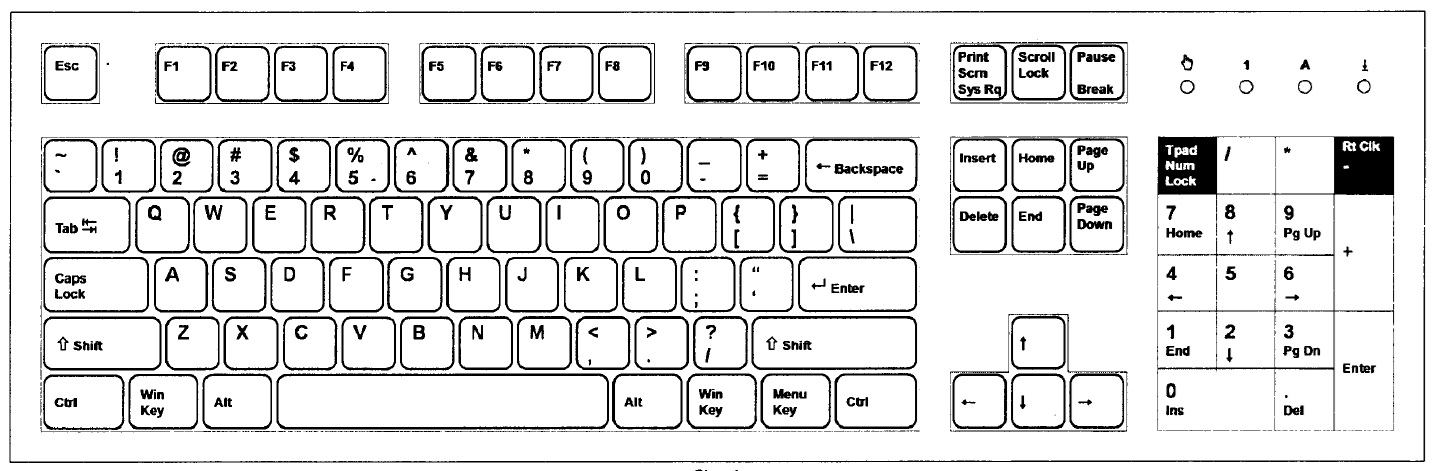
My drawing of a keyboard with an integrated touchpad (Patent No. 479715). 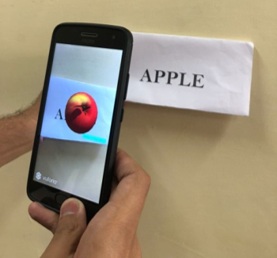
An experiment involving an augmented reality user interface. 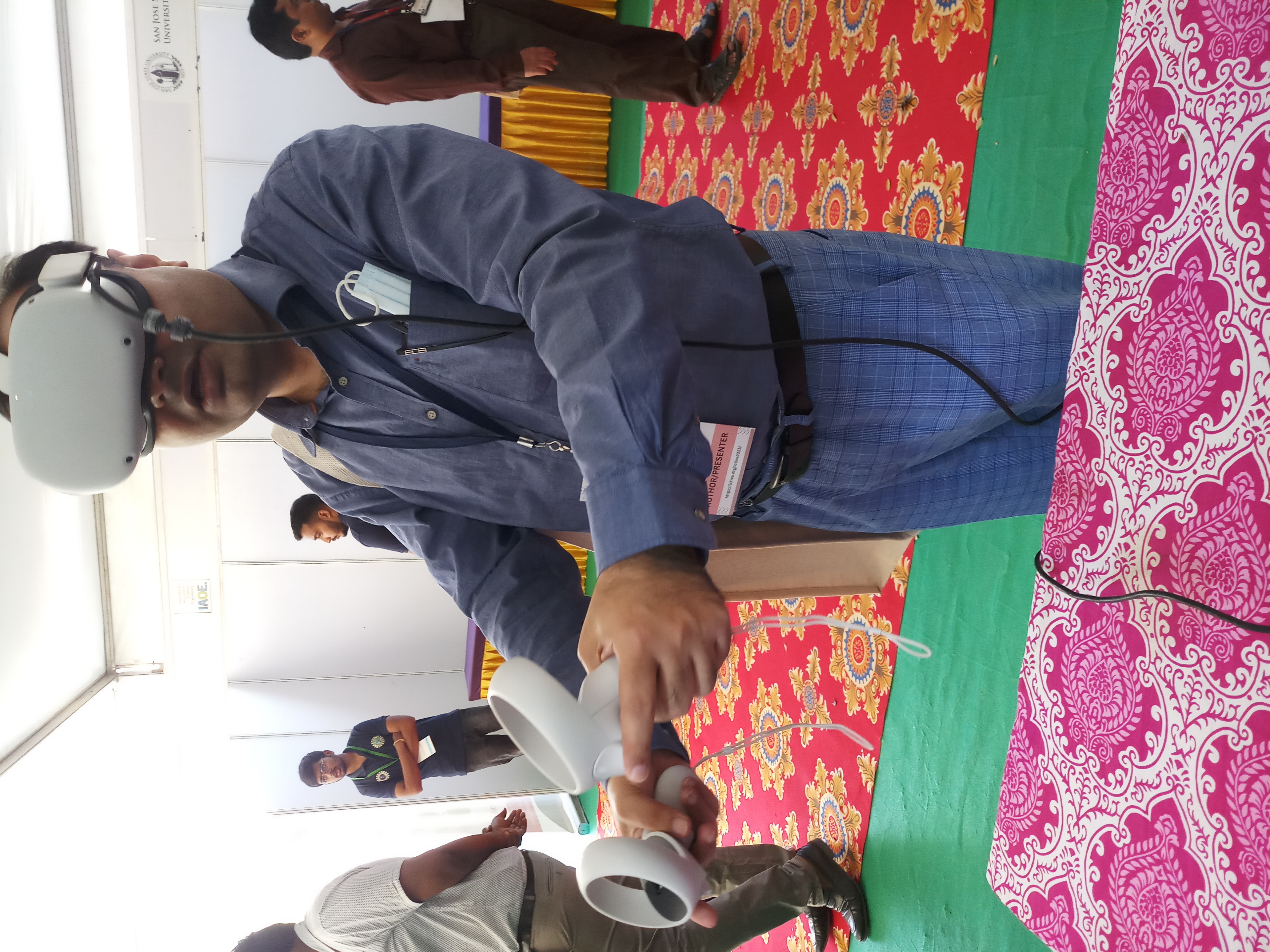
An experiment involving a virtual reality user interface. 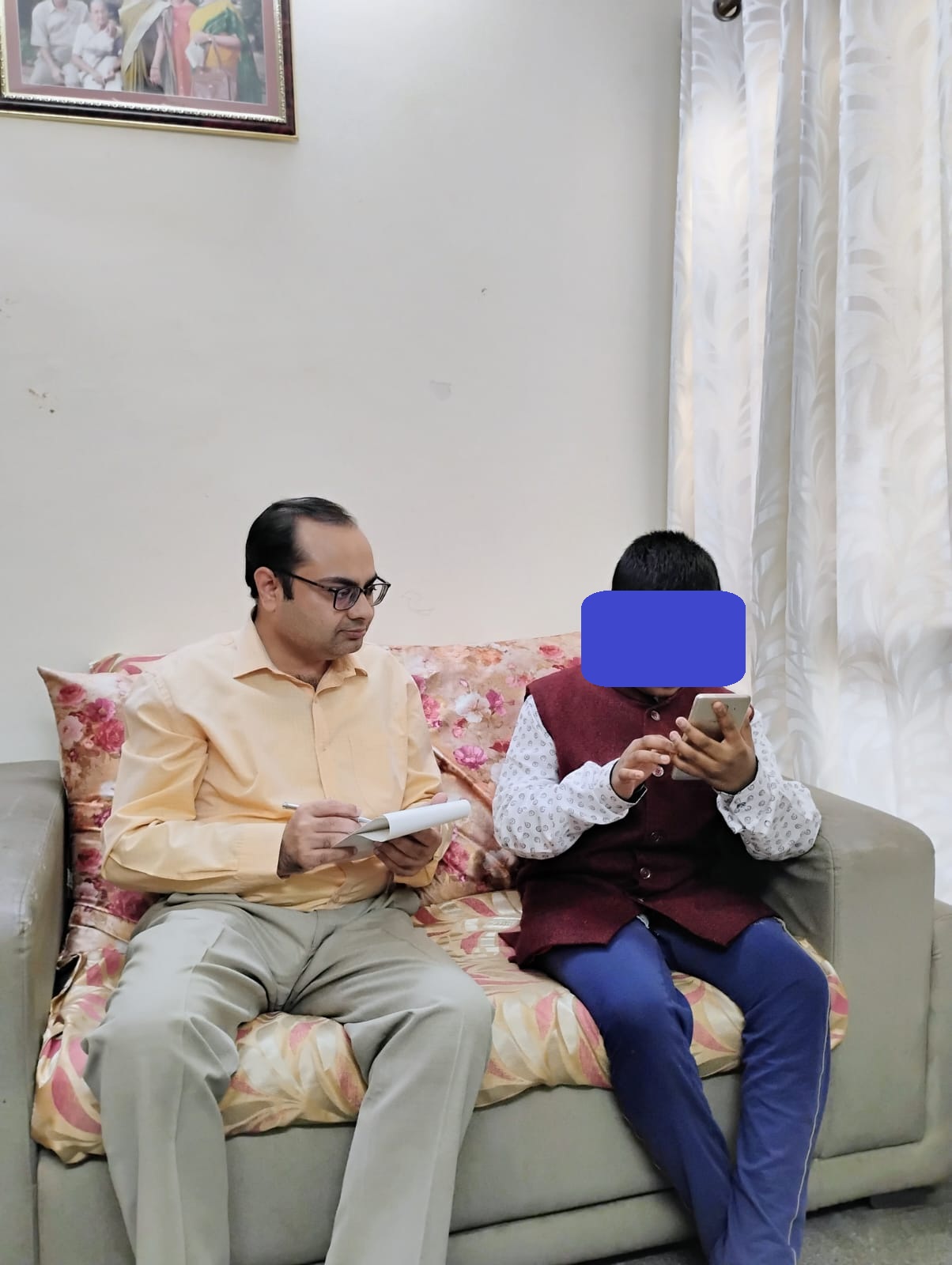
An experiment in child-smartphone interaction. 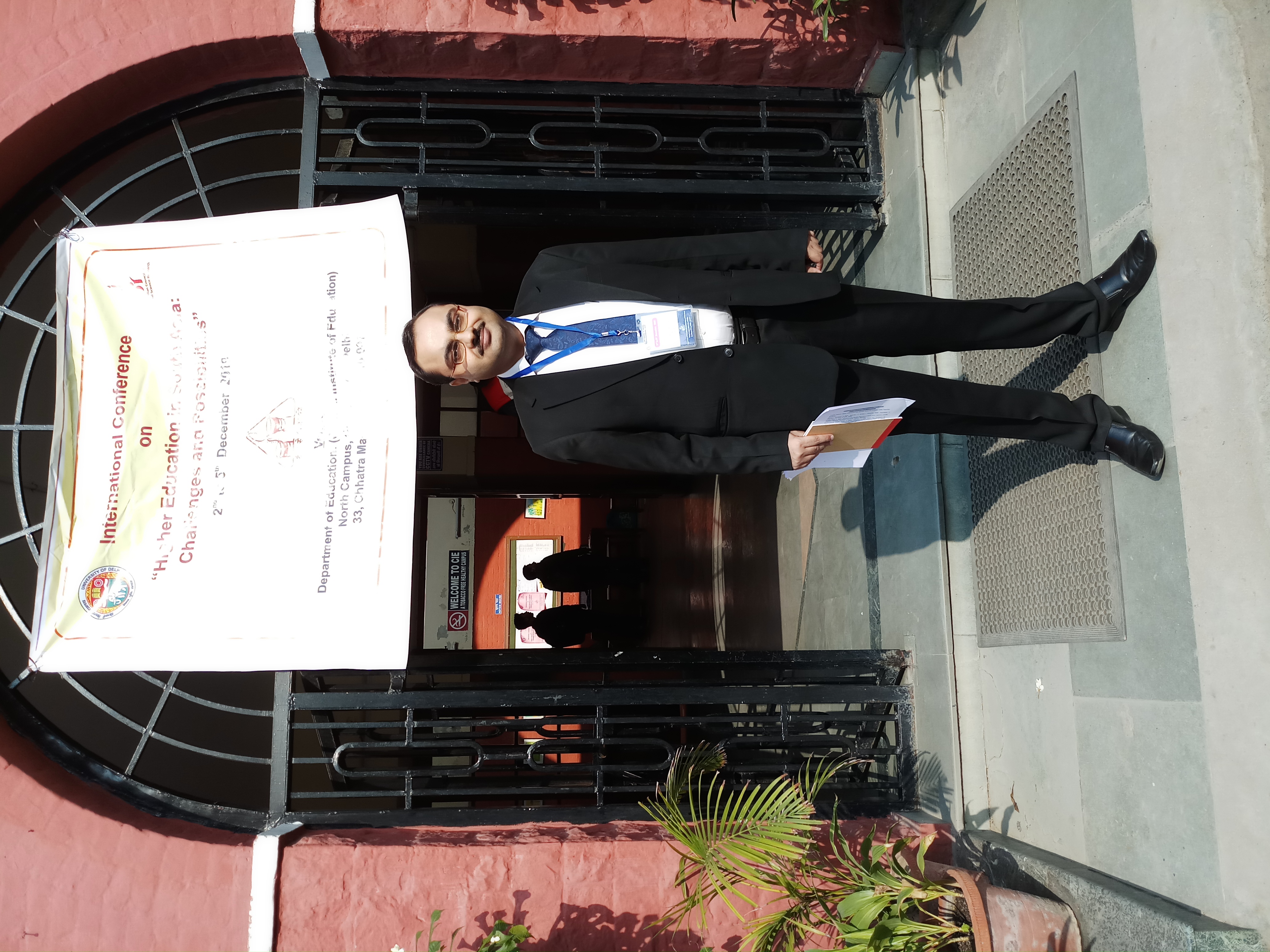
Presenting a paper on educational software at a conference held at the University of Delhi. 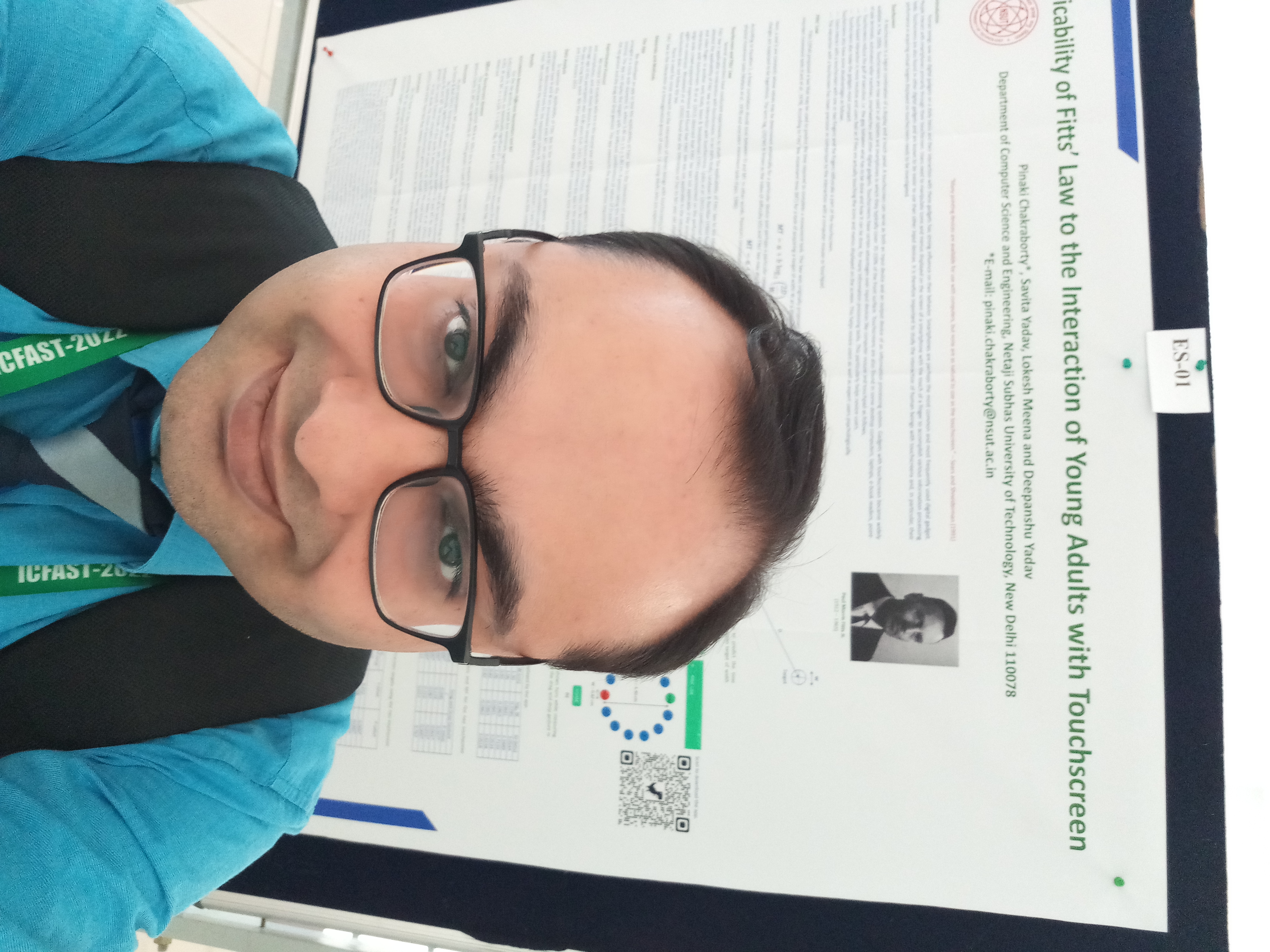
Presenting my research on Fitts’ law at a conference held at the University of Hyderabad. 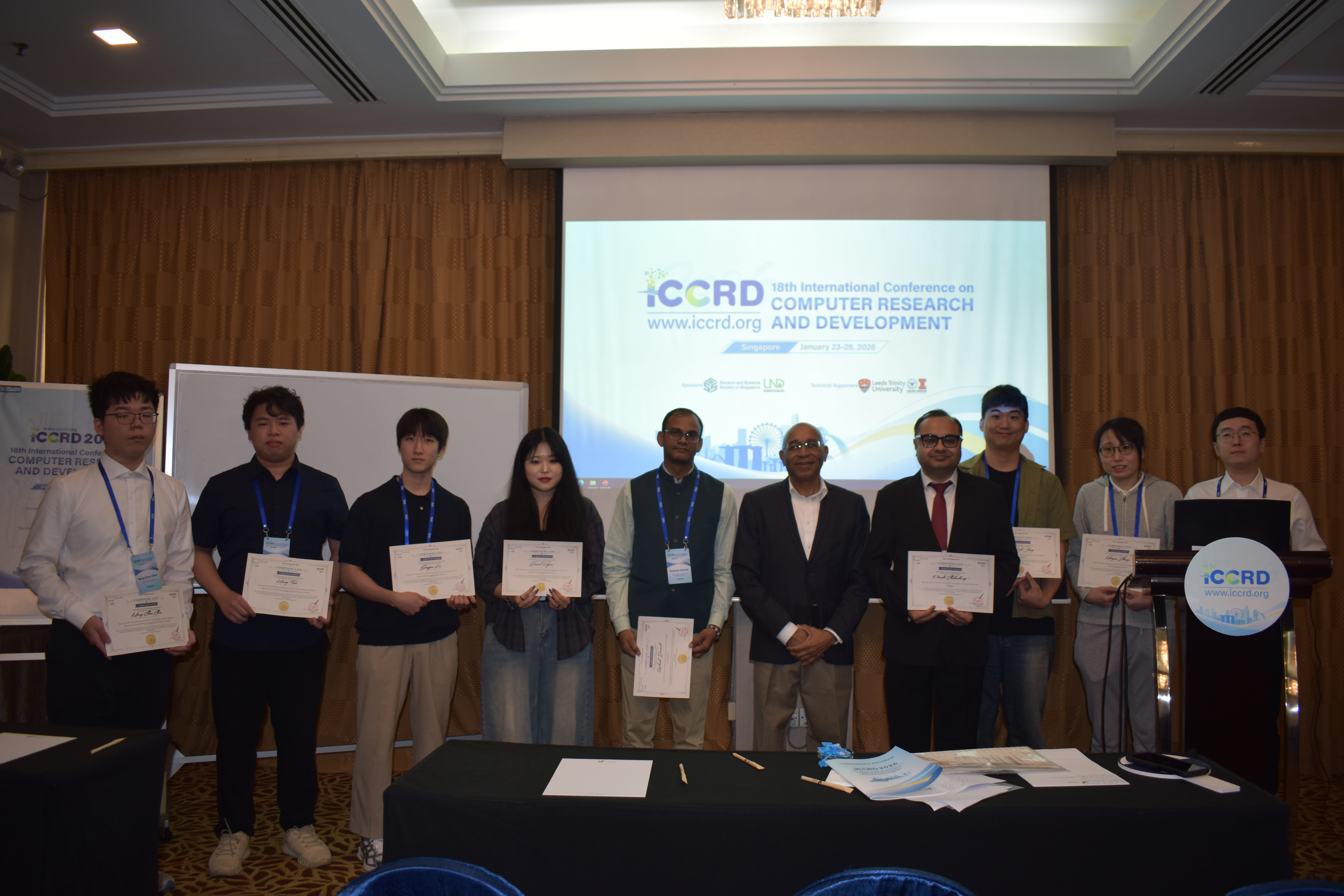
Presenting a paper on human-computer interaction at a conference held in Singapore. 
Visiting a book fair. 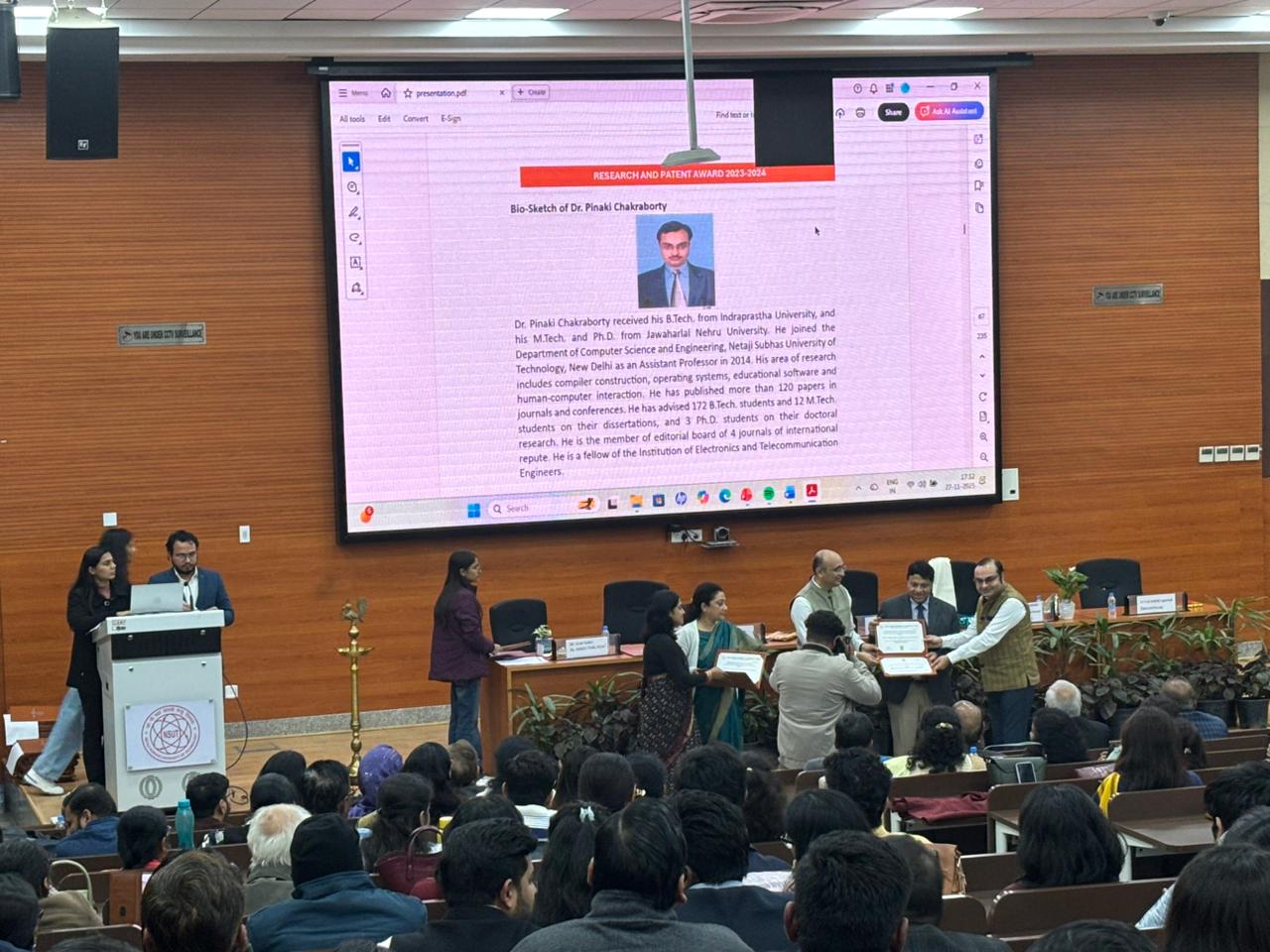
Receiving an award for my research at the university. 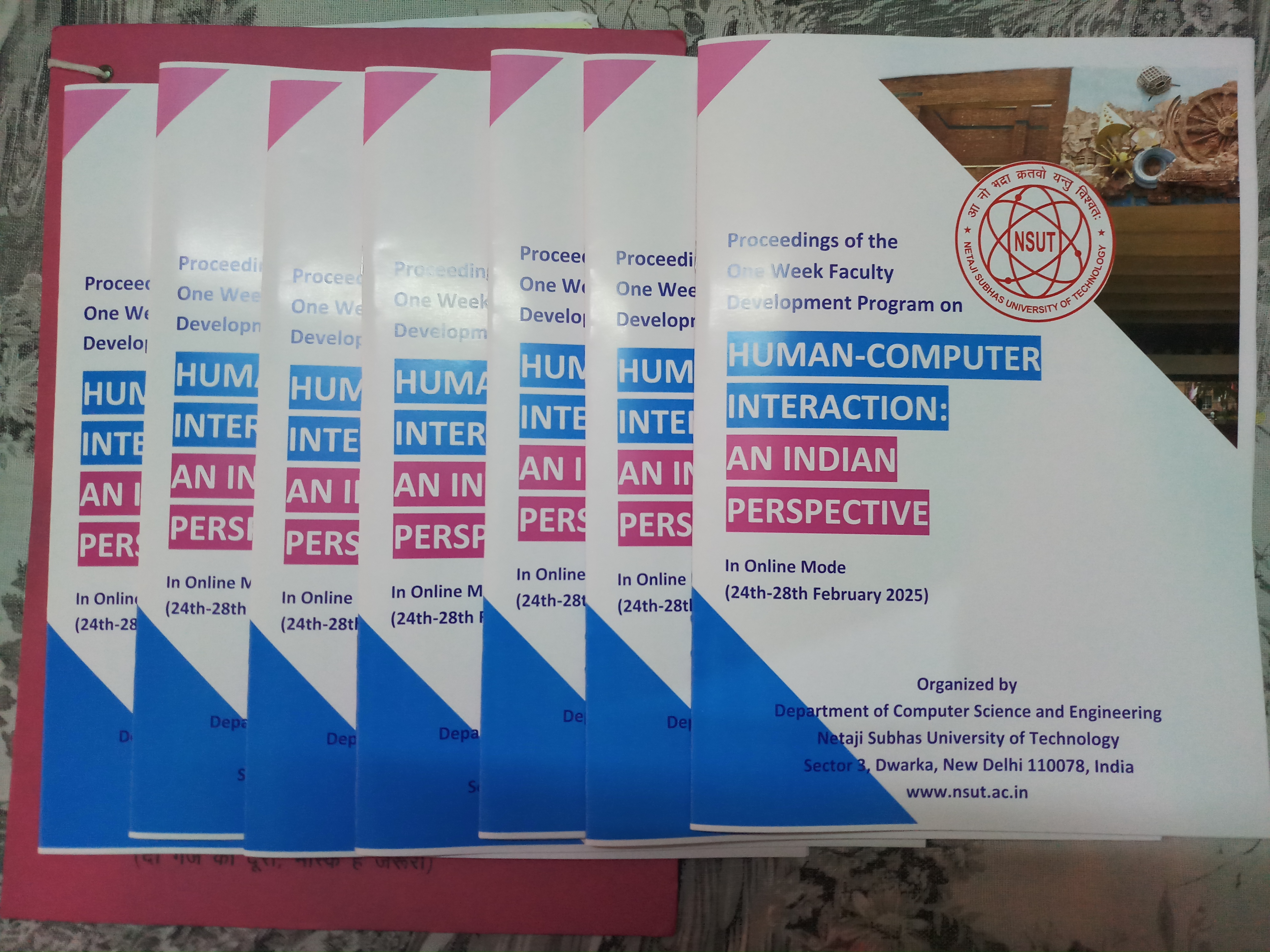
Proceedings of our faculty development program on human-computer interaction.